
The headlines go to the biggest AI models. The quieter trend is moving in the opposite direction. Small language models, compact enough to run on a laptop or phone, now handle a surprising share of everyday business tasks, and a new generation of AI PCs is built to run them.

What is a small language model?
A small language model (SLM) has far fewer parameters than a frontier model, typically from under one billion to a few tens of billions. Families such as Microsoft Phi, Google Gemma, Meta Llama and Mistral all offer compact versions.
They will not write a research paper as well as the largest models. They do summarise documents, draft emails, classify text, extract data and answer questions about your files very well, and they do it quickly and cheaply.
Why run AI on the device?
Privacy. Data that never leaves the laptop cannot leak from a third-party server. This matters for legal, healthcare, finance and HR work.
Cost. Cloud AI is billed per use. On-device inference costs nothing extra once you own the hardware.
Speed and offline use. No network round trip, and it still works on a flight or a poor connection.
Control. You choose the model version, so behaviour does not change overnight when a provider updates it.
What makes a PC an AI PC
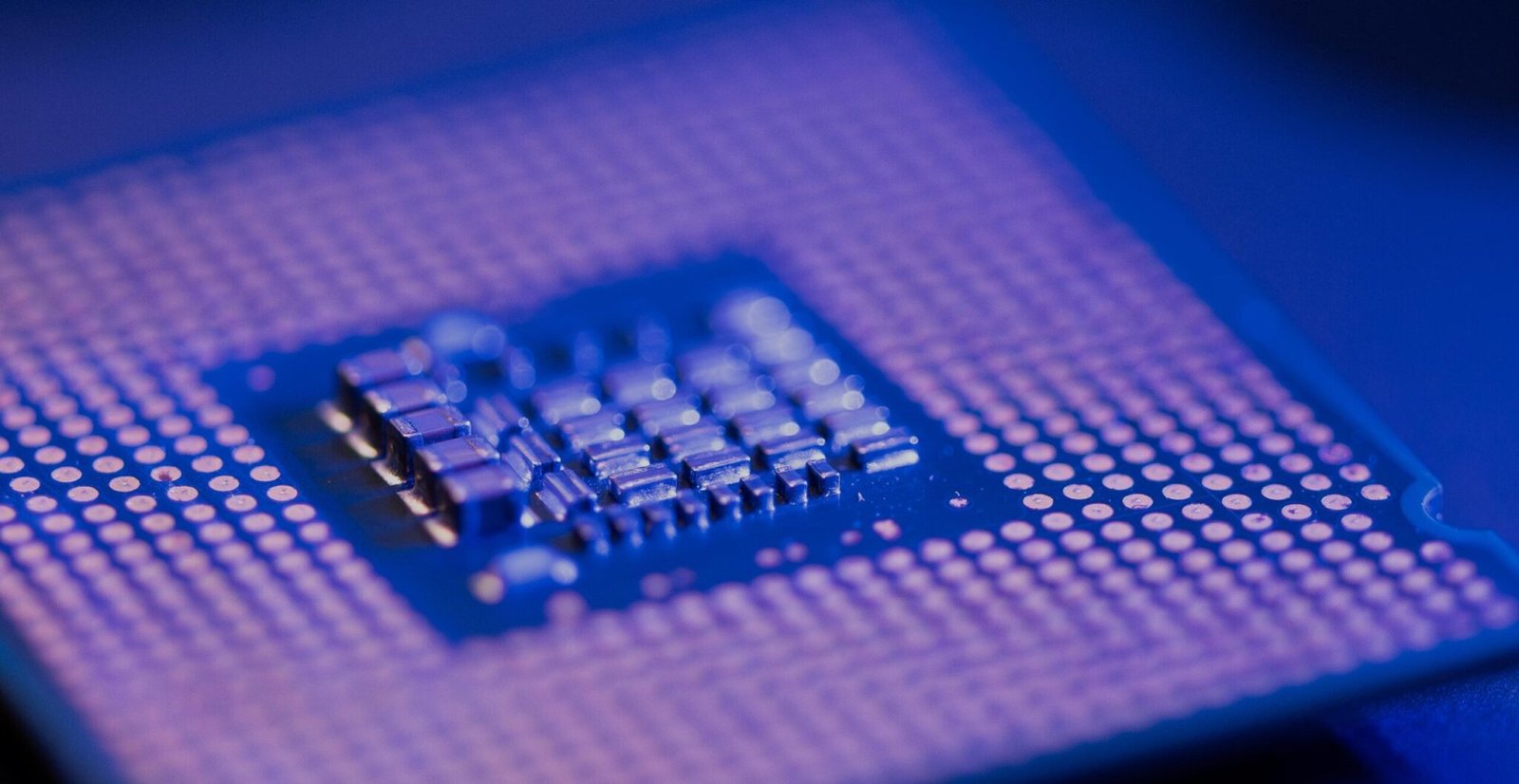
An AI PC adds a neural processing unit (NPU) next to the CPU and GPU. The NPU runs AI workloads efficiently without draining the battery. Microsoft’s Copilot+ PC programme, for example, requires an NPU capable of 40 or more trillion operations per second (TOPS).
Intel Core Ultra processors include an NPU, and business ranges such as Lenovo ThinkPad and ThinkCentre now ship with them. Features like live captions, background blur, local search and on-device assistants use the NPU today, and more business software is adding support.
Small model or big model?
Use small, local models for high-volume, sensitive or routine tasks. Use large cloud models for complex reasoning, long documents and creative work. Many businesses now run a hybrid setup where a local model handles the first pass and only hard requests go to the cloud. This keeps costs predictable and sensitive data local.
Planning your next hardware refresh
If your laptops are due for replacement in the next 12 months, include AI capability in the specification. Look for a current-generation processor with an NPU, at least 16 GB of memory (32 GB for staff who will run local models) and fast SSD storage.
Check that your device management, security and backup tools support the new hardware before you roll it out. Then pilot with a small group, measure the benefit and expand.
Raamello supplies, sets up and supports Lenovo and Intel business hardware, including AI PCs. Ask us for a refresh plan built around the AI tools your team actually uses.
The Raamello Team